




















India Automotive Market Set to Grow by USD 60.6 Billion by 2029: What the Next Phase of Expansion Looks Like
Sushant Kumar, Independent Director New Delhi [India], February 17: India’s automotive sector is entering a decisive growth phase. With projections indicating an additional $60.6 billion in market expansion by 2029, the industry is no longer simply riding a cyclical recovery; it is undergoing a structural transformation. The growth narrative is being shaped by three parallel [...]



New Delhi [India], February 17: India’s automotive sector is entering a decisive growth phase. With projections indicating an additional $60.6 billion in market expansion by 2029, the industry is no longer simply riding a cyclical recovery; it is undergoing a structural transformation.
The growth narrative is being shaped by three parallel forces: resilient domestic demand, policy-led manufacturing expansion, and a technology-driven shift across the value chain. Together, these forces signal that the next phase of India’s automotive journey will look materially different from the last decade.
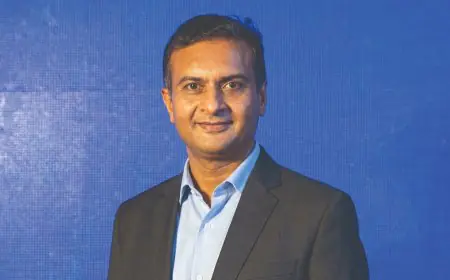
Drawing on over 18 years of experience in India’s manufacturing and automotive sectors, independent director Sushant Kumar stated, “The industry is no longer grappling with basic execution issues. It is navigating complexity, technology shifts, compliance exposure, and global integration. Boards are expected to understand engineering risk, not just financial outcomes.”
He explained, “Technically informed boards are better positioned to anticipate risk. When directors understand how systems are designed and how failures can cascade across supply chains, conversations shift from reactive reporting to proactive oversight.”
Demand: Strong but Evolving
India continues to benefit from a structurally solid demand base. Rising incomes, expanding middle-class households, and rapid urbanisation are sustaining appetite across passenger vehicles, two-wheelers, and commercial vehicles.
However, growth patterns are becoming more nuanced. Infrastructure expansion and logistics modernisation are supporting commercial vehicle demand, while urban buyers are prioritising connected, feature-rich, and safer vehicles. Premiumisation is accelerating, with consumers opting for higher variants offering advanced safety systems, connectivity, and improved fuel efficiency. This shift is compelling manufacturers to shorten innovation cycles and rethink product development strategies to stay competitive in a more discerning market.
Manufacturing: Beyond Cost Competitiveness
India’s long-standing cost advantage is no longer sufficient on its own. The next growth phase depends on capability depth and strategic localisation. Government initiatives such as the Production-Linked Incentive (PLI) schemes and the Automotive Mission Plan have strengthened domestic manufacturing, particularly in EV components, advanced materials, and electronics. Investments in battery technology and power electronics are gradually reducing import dependence.
At the same time, India’s integration into global supply chains is deepening. Export performance remains resilient, but future competitiveness will hinge on quality alignment with international standards and the ability to navigate increasingly stringent regulatory frameworks.
Equally important is the emerging focus on resource resilience, particularly the scrap factor. Under the 2026 Digital Extended Producer Responsibility (EPR) framework, circularity has moved firmly into the boardroom agenda. Manufacturers are increasingly integrating scrapped and end-of-life materials back into production cycles, building closed-loop supply chains that enhance cost efficiency and supply security. This strategic shift is projected to deliver a 33% to 40% reduction in raw material costs, while also shielding businesses from global commodity price volatility and reinforcing long-term operational stability.
Electric Mobility: Measured Acceleration
Electric mobility is central to the projected expansion, supported by FAME incentives and state-level EV policies. Adoption is gaining pace, particularly in two-wheelers and commercial fleets.
Yet, the transition remains gradual. Charging infrastructure gaps, pricing considerations, and battery lifecycle economics continue to shape consumer decisions. Over the next five years, hybrid strategies are likely to dominate—improving internal combustion efficiency while steadily expanding EV portfolios. This dual-track approach demands disciplined capital allocation and long-term technology planning.
Infrastructure and Heavy Mobility
Infrastructure development is emerging as a key multiplier for automotive growth. Projects under PM Gati Shakti and freight corridor expansions are driving demand for heavy commercial vehicles and specialised transport systems.
As renewable energy and industrial projects scale up, logistics complexity increases. High-capacity transport solutions are becoming essential for moving oversized industrial components. This segment underscores how automotive growth is increasingly linked to broader economic development.
Technology, Risk and Governance
With vehicles becoming software-defined and factories increasingly automated, risk profiles are evolving. Cybersecurity threats, supply chain disruptions, and regulatory fragmentation are reshaping boardroom priorities. Sustainability disclosures and emerging AI governance norms add further complexity.
In this environment, companies that prioritise innovation velocity, digital maturity, compliance resilience, and ESG performance are likely to sustain long-term growth. Competitive advantage will stem not only from scale, but from governance discipline and operational resilience.
The Road Ahead
The projected $60.6 billion expansion by 2029 reflects a broader shift in India’s automotive identity from scale-driven growth to capability-driven growth. Domestic demand remains strong, policy support continues, and technology is redefining production and product strategies.
The coming years will test how effectively the industry can combine manufacturing strength, digital transformation, and sound governance. If executed well, this expansion will represent not just market growth, but a qualitative leap in how India builds and competes in the global mobility landscape.
If you object to the content of this press release, please notify us at pr.error.rectification@gmail.com. We will respond and rectify the situation within 24 hours.
What's Your Reaction?